Send this article to a friend:
February
23
2026
|
Send this article to a friend: February |
Echoes of the Human Struggle ~
I was taught the Golden Rule before I knew it had a name. Treat others as you wish to be treated. It was given to me not as philosophy but as law. My parents assured me that if I did this, the world would answer in kind. The world did not.From my earliest days, feral and forgotten, passed among kin while my father served afar in the U.S. Army – my mother absent in ways that matter – I roamed wild, thin as a shadow, learning the world’s harsh lessons before I could spell them. Raised on the bedrock of decency – treat others as you’d be treated, judge by character not skin – I embodied a boyish idealism, eager for friendship, only to be met with betrayal. Bullies, the bigger, older boys who thought themselves to be “tough”, circled like wolves, mistaking kindness for weakness. My father’s creed echoed: “Don’t start fights but finish them.” I honed my fists not for glory, but survival, wielding rocks, clubs and resolve to repel those who meant me harm. Yet each clash scarred my soul, a reminder that man’s struggle against man begins in the schoolyard and escalates to the battlefield, where envy, jealousy, and irrational rage turn those who should be brothers into foes. 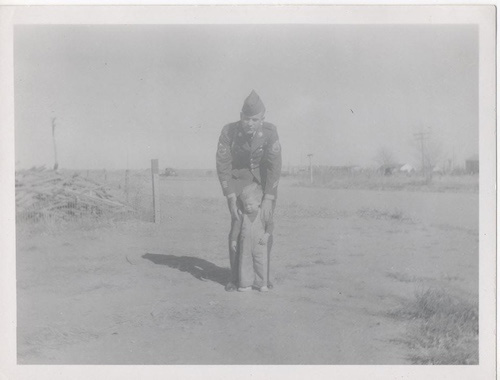
photo: Dad & me in Baca County, Colorado, 1959 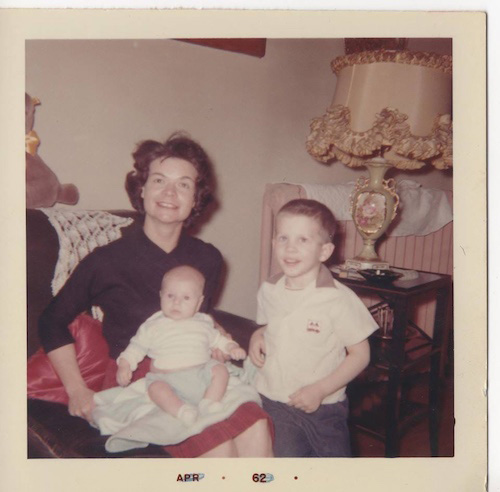
photo: The woman I would come to know and call “Mom”, a coal-miner’s daughter from Nicholas County, West Virginia – with me and my baby brother People may enter the world completely innocent as babies, but something is terribly flawed with this world, in that by the time they hit their late teens or early twenties, a large majority are just terrible, disgusting, immoral individuals on any front one cares to study – some coming to terms with their own failings and finding reform and redemption later in life, while the rest damage themselves and everyone and everything they come in contact with ‘til they take their own last dying gasp.
The Golden Rule is NOT universally observed!Too many children are not raised upon it. Too many are raised on the opposite creed: Take first. Strike first. Dominate. Laugh at weakness. Smell vulnerability and test it. I roamed fields and streets with a feral independence that hardens a boy early. I was friendly. Eager. Ready to believe the best in anyone who crossed my path. Friendships? A cruel mirage. Out of thousands, perhaps five proved true – pillars amid ruins. Just for example, my supposed “best friend” in high school erupted in jealousy over a harmless chat with a girl he liked, who wasn’t even his girlfriend, forcing a brawl that severed ties forever. Women, too, wielded daggers of disloyalty, their infidelity a poison that eroded trust. These personal treacheries mirror society’s grand hypocrisies: “Do as I say, not as I do.” I railed against them, striving for goodness in my adult life, as I tried to understand my parent’s home that demanded perfection in a way that served to isolating me further. Solitude became my forge, tempering a code rooted in Christian truths — live and let live, seek kin in spirit, stand against evil. But evil stalks relentlessly: traps laid by the power-hungry, from petty tyrants to presidents, who crave dominion over souls rather than stewardship of their own. My paternal grandmother – small in stature but immense in spirit – was a lay Pentecostal minister. She taught me that a man is judged by the content of his character, not the color of his skin. She taught me that manners were not decoration but armor. Speak carefully. Stand upright. Offer your hand. Look a man in the eye. 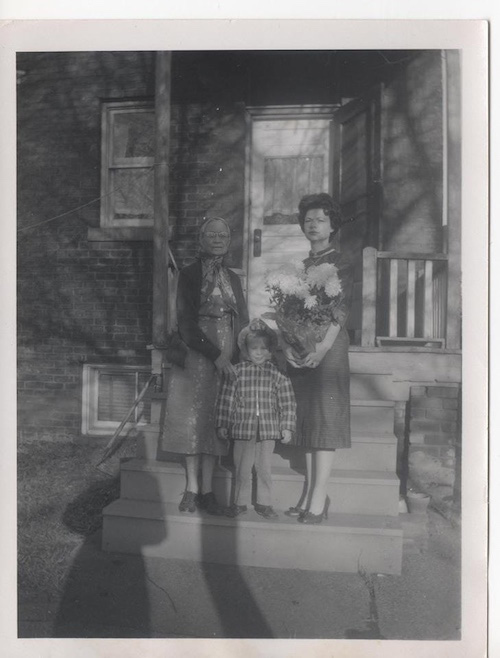
photo: “Little Granma” [4’ 11”], me and Mom, after Dad got stationed in Detroit, Michigan Those manners made me strange among boys who measured manhood in fists and insults. I became a target. My father, a Combat Infantry Soldier and Veteran of three wars, taught me something different but equally important: never start a fight, but if a man brings one to you, finish it. There is a line between pacifism and surrender. A line between restraint and cowardice. He warned me against violence, but he also warned me against humiliation. “Don’t come home beaten,” he said. “And if you must, pick up a stick or a brick.” So I learned to fight. Not because I loved it. I hated it. I still do. But I learned. And I learned it well. 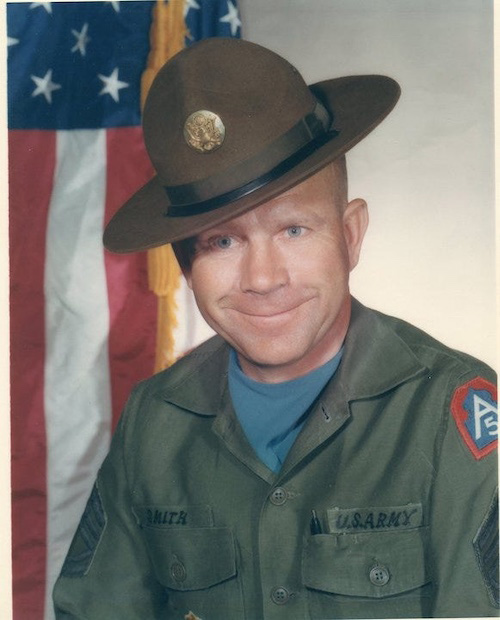
photo: Dad, 1970, when he was a Drill Instruct training soldiers at Ft. Leonard Wood, Missouri And somewhere in those years, I began to see the strange duality of man. The same species capable of hymns and kindness is capable of ambush and betrayal. The same mouth that says “friend” may whisper slander an hour later. I tried – God knows I tried – to gather friends like a man gathers wood for a winter fire. I wanted companionship. Conversation. Shared labor. Shared laughter. What I found, too often, were alliances of convenience. Fair-weather loyalty. Jealousy. Projection. Multiply that moment by decades. Out of hundredsvperhaps thousands – of acquaintances and would-be friends, I can count on one hand the number who proved steadfast. That is not cynicism. It is arithmetic. And yet I never stopped wanting to believe in people. Betrayal is a curious wound. It does not merely injure; it reshapes. It teaches vigilance. It tempts hardness. It whispers that solitude is safer. So I became a loner – not lonely, but a man apart. I built a code. I refined it through Scripture, through mistakes, through nights when I lay awake asking whether I had crossed a line in defending myself from men who mistook kindness for weakness. There were moments – yes – when anger led me too close to the precipice separating right from wrong. There were times when the law looked at my actions and decided I had remained on the correct side, though I had stood with my toes over the edge. I am not proud of every decision I have made. Some stories are between a man and his God.
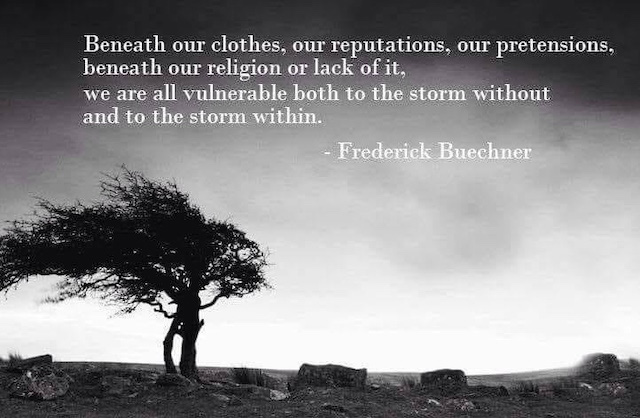
But here is what troubles me most: the violence I despise lives not only in alleyways and barrooms. It lives in legislatures. In boardrooms. In ideologies. In movements that seek not coexistence but dominance. Too many hunger for power over others. From the petty tyrant in a small office to the occupant of the highest seat in the land, the temptation is the same: control, compel, reshape the world according to one’s own image. We are told this is progress. We are told this is justice. We are told this is necessary. And perhaps sometimes it is.But I have lived long enough now to know that the appetite for power rarely confines itself to noble ends. It grows. It rationalizes. It begins to demand privilege rather than equality, exemption rather than fairness. And in this political environment, neighbors split along their own special interest lines – ideological lines so antithetical that it leaves no room for compromise or friendships, and the two main opposing sides – those who seek tyranny and those who long only for freedom – see each other as mortal enemies, as they must, since that is exactly what they are in fact and the reality of the matter. And beneath it all lies a deeper question: what does it mean to be human?
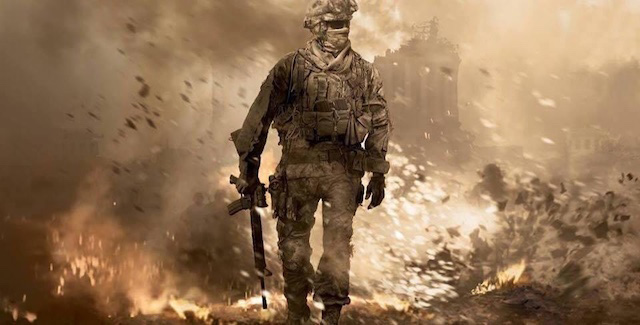
When I listen to the racists of any stripe, I hear fear masquerading as superiority. When I hear Marxist-Maoist and communist black and brown activists calling for collective punishment or erasure of America’s white people, I hear woundedness curdled into vengeance. When I watch bureaucracies stretch their authority further into private life, I see insecurity seeking permanence. Being human, at its best, is astonishing at times. We compose symphonies. We rescue strangers from burning buildings. We invent tools that lengthen life and reduce suffering. We kneel in prayer. We forgive. At our worst, we dehumanize. We exploit. We kill over insults and abstractions. The tension between those two poles is the story of civilization. Nature’s indifference compounds the fray. Hunger gnaws like a beast, the wild woods a sanctuary where honesty reigns untamed. As my friend Maddie Rune maddie rune whispers: “There is a creature in me who still thinks the woods are the only honest room, who still believes hunger is a language, who still flinches at the sound of silverware touching porcelain. It presses its wet nose against the inside of my skin and asks if we are safe yet. I tell it yes, because that is what humans say even when the answer is no.” That creature lives in many of us. It is the instinct that remembers hunger, remembers danger, remembers that safety is fragile. Civilization is a thin veneer over ancient impulses. Scratch it, and the old instincts snarl. Perhaps that is why I have always felt slightly apart. Part civilized man, part wary animal. Capable of kindness, capable of defense. Praying never to need the latter, prepared nonetheless. We battle tempests, famines, and the genetic shadows of psychopathy, yet our greatest foe is ourselves — nations poisoned by narcissistic leaders, self-anointed saviors peddling wars and interferences. Rumors of conflict echo eternally, from imperial meddling to proxy slaughters, all while domestic freedoms erode. Our republic, once a beacon of founding principles, now mirrors Reconstruction’s chains: suppressing God-given rights, imposing immoral edicts on marriage, gender, and the unborn. How long must we endure before liberty is unfettered? Why entangle in foreign quagmires for ungrateful allies, bloating empires we neither need nor can sustain? If we fight any war, let us make damned certain it has been thrust upon us and is truly a necessary war for the survival of America and our people. Just as any person has the absolute God-given right to defend against any humiliation of beating, so too does a nation have the right to such a defense. Racism’s venom courses through it all, a man-made plague defying nature’s diversity. Whites, now a global minority at 8%, face rising tides of hatred – from Chinese supremacy, Islamic “kafir” disdain and its supremacy clause, to reverse bigotry in America’s streets, academia fueling calls for white genocide via BLM and kin. Yet I’ve known the best across hues: Black mentors from Company A, like Top Sergeant Ed Whetstone, Staff Sergeant Macon Blue, who had a steel plate in his head due to “friendly fire” in Vietnam, and ‘Buttermilk’ Nelson, from my boyhood neighborhood, whose kindness shone as bright as my grandfathers; Hispanic heroes like Captain Richard Adan; White valor in Captain Roger Donlon, the first recipient of the Medal of Honor during the Vietnam War, and a personal family friend. And the worst? Foul predators who forced my hand, blurring moral lines in self-defense – fists, knives, and firearms, graves left unspoken, matters for God alone. I abhor violence, craving peace amid loved ones, yet some learn respect only through violence, bloodshed, force and fear. 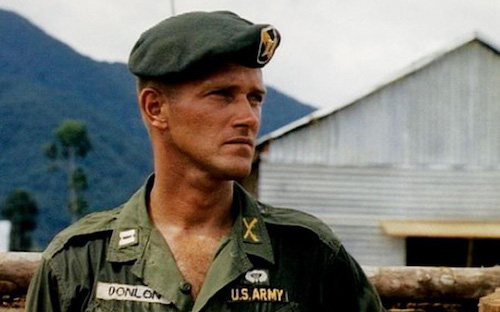
photo: Then-Capt. Roger Donlon as a Green Beret serving in Vietnam in 1964. [credit, U.S. Army] The best of men exist in every race.So do the worst!History is filled with atrocities committed by every tribe against another. Slavery has not worn one color alone. Oppression has not spoken one language alone. The human capacity for cruelty is democratic – it distributes itself widely. What sickens me is not that racism exists. It always has. What sickens me is how eagerly new generations resurrect it in new forms, convinced they are correcting history while repeating its sins. Collective blame is simply prejudice with academic vocabulary. A man is responsible for his conduct, not for ancestral crimes nor demographic statistics. Yet we persist in sorting ourselves into camps – white, black, immigrant, native, believer, unbeliever, conservative, progressive – until the individual disappears beneath the banner. This tribal instinct scales upward.Nations behave like men who never matured. They posture. They interfere. They threaten. They wage wars for reasons dressed in noble rhetoric but often rooted in interest and pride. The world trembles perpetually under “wars and rumors of wars,” and leaders present themselves as saviors while counting costs in other people’s blood. I ask myself: must empire always expand? Must influence always be maintained at the point of a sword? Can a republic not choose restraint without choosing weakness? These are not simple questions. But they are necessary ones. Yes, “being human” really isn’t much somedays when one balances the good versus the evil done by men and women throughout the world each and every day. And yet – I refuse to surrender to cynicism.For all my disappointments, I have seen too much goodness to deny it. I have seen men carry wounded comrades under fire. I have seen poor laborers give their last dollar to someone in worse condition. I have seen children extend spontaneous friendship across every barrier adults erect. There is something redeemable in us. Something stubbornly luminous. It is easy, especially at my age, to catalogue grievances. To recount betrayals. To rehearse injustices personal and national. But grievance, if indulged too long, becomes identity. And identity built on resentment cannot build anything lasting. So what remains?Personal responsibility. Moral clarity. Courage without cruelty. Strength without sadism. Mercy without naiveté. A man who rises every morning, earns his bread honestly, loves his family fiercely, respects his neighbor’s rights, and demands only the same in return – that man needs no additional certification of manhood. He need not lift 200 pounds. He need not win every fight. His dignity lies in his constancy.
And a nation composed of such men and women would need fewer laws, fewer prisons, fewer speeches. I have lived enough years to know that my youthful dreams did not all come true. Some withered. Some transformed. A few survived. What defines a man? Not brawn or conquest, but decency: rising daily to provide, abiding laws, offering courtesy unbidden. In this hard world, empathy falters; too many die alone, unloved, amid needless suffering. Our youth’s dreams shatter, but life’s journey persists. I’ve chased adventures, fathered daughters and grandchildren, imparting righteousness, courage, strength. I aim for 103, sowing social redemption – helping hands, truthful stands, strides toward divine light. I joke with my daughters and grandchildren that I intend to live to 103 – not because I control the calendar, but because hope is a discipline. There are still things I wish to do. Small, perhaps. Local. Socially redeeming in modest ways. A hand extended. A project completed. A word spoken in truth rather than convenience. 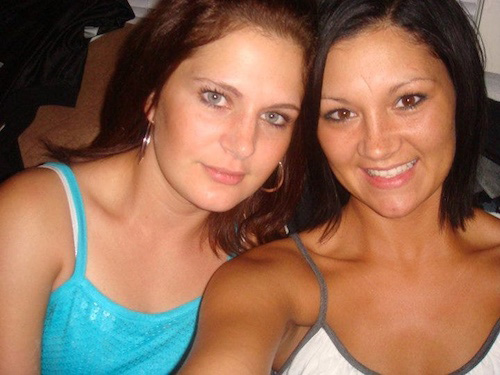
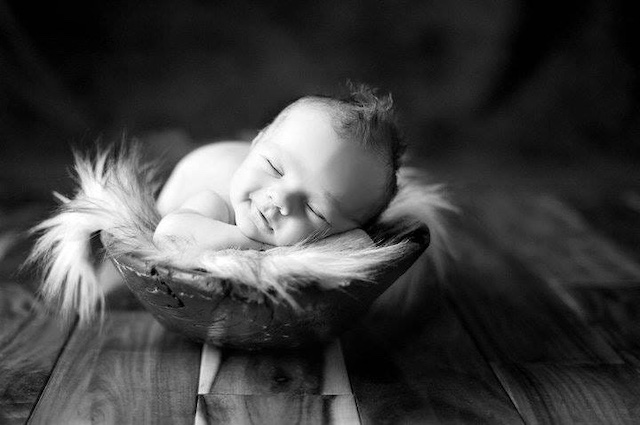
photo: My daughters, Kelli and Jessica, from about twenty-years ago … If I cannot reform the world, I can refine myself.If I cannot silence the madness of nations, I can refuse to participate in petty cruelty.If I cannot eliminate betrayal, I can remain loyal.In the end, being human may mean living within that tension – aware of the beast within, determined to elevate the better angel. It may mean acknowledging our capacity for violence while choosing restraint. It may mean defending oneself without surrendering one’s soul to hatred. We are creatures who build cathedrals and concentration camps. The difference lies not in our species but in our choices. As I near the final chapters of my life, I suspect I will not fully answer the question of what it means to be human. Perhaps no one does. Perhaps the search itself is the point. But I know this: it is not power. It is not dominance. It is not racial pride nor ideological conquest. It is the quiet decision, made daily, to treat others as you wish to be treated – even when they fail to reciprocate. It is the courage to stand firm when attacked and then muster the resolve to win, to survive. It is the humility to admit wrong. It is the faith to move toward light even when the world seems enamored with darkness. Music fades. Empires fall. Bodies weaken – Character remains!Our games of luck, the chances we take, the stones we cut as we break and build, the laws we choose to obey or break and the songs we all sing to remember the lives we’ve led, often with a great deal in common and sometimes as I have lived, a man apart, who has never experienced a true and completely faithful love in his entire life – names so true they’re blood to me and dust to you, in this truth that lives and truth that dies. Humanity’s flaw is profound: innocents twisted by environment, genes, and choice into destroyers. Yet redemption beckons. Obey the Commandments, reject imposed vice, foster empathy across divides. Cease foreign wars; reclaim sovereignty, both national and individual. Build alliances of virtue, not power. In our shared struggles – against betrayal, nature’s fury, societal decay – lies potential for transcendence. Let us sing songs of remembrance, cut stones of renewal, and forge a world where love prevails over hate, truth over lies. For in this Big Ol’ Magnificent World, being human means rising, ever rising, toward the good we were meant to be.
And if, when I take my last breath and step into whatever waits beyond this mortal curtain, I can say that I fought when necessary, loved whenever possible, stood upright in truth, and left behind children and grandchildren who value dignity over dominance – then perhaps I will have come as close as a flawed man can to understanding what it means to be human in this vast and terrible and magnificent world.
|
Send this article to a friend:
 |
 |
 |
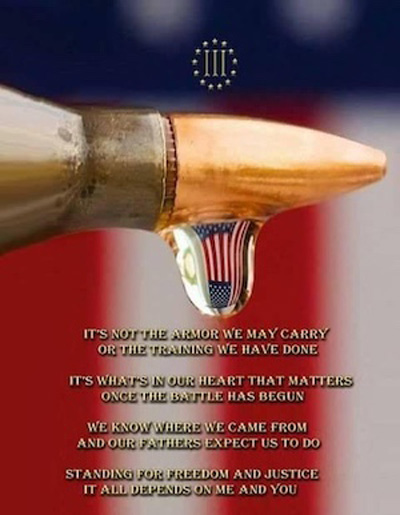 In the dim glow of my easy chair, beneath the spell of classic rock anthems, jazz riffs, and soulful blues, my mind drifts through the labyrinth of a life forged in fire. Sixty-nine years on this spinning rock, and a profound sorrow grips me – not for myself, but for America, for humanity’s squandered promise. We enter this world as innocents, brimming with potential, yet too often we descend into baseness, immorality, and outright evil. What does it mean to be human in a world where the Golden Rule is trampled underfoot, where man’s eternal battle against his fellow man and the merciless forces of nature reveals our deepest flaws and rarest triumphs?